Summary
- Team Meta have found themselves in a tough spot, struggling to maintain the momentum in FCF
- long term survival of this tech giant hinges on efficient capital utilization
- I believe that cost cutting measures are a good thing and will yield significant benefits in the long term from a shareholder perspective
Thesis
Meta had strong growth during the pandemic, with more people spending time online, and on social media. This may have resulted in the leadership becoming overly optimistic on future growth resulting in rapid headcount growth. These actions did translate into an actual bottom line growth in the short term, but long term prospects could look grim, given the high interest rate environment and the absence of a strong moat that could add to the bottom line. Steady headcount growth is not sustainable given the revenue projections.

Short term challenges
Meta is taking steps in the right direction to trim costs and become cost efficient. Their primary center of profitability are either no longer as profitable or are facing strong headwinds. I believe more cost cutting measures are expected, depending on how aggressively the Fed chooses to hike interest rates.
For Meta, the major headwinds could be categorized as follows
- Strong competition from TikTok and YouTube eating market share. Advertisers have more choices and ad dollars can be spent more efficiently on ‘stickier’ platforms such as TikTok
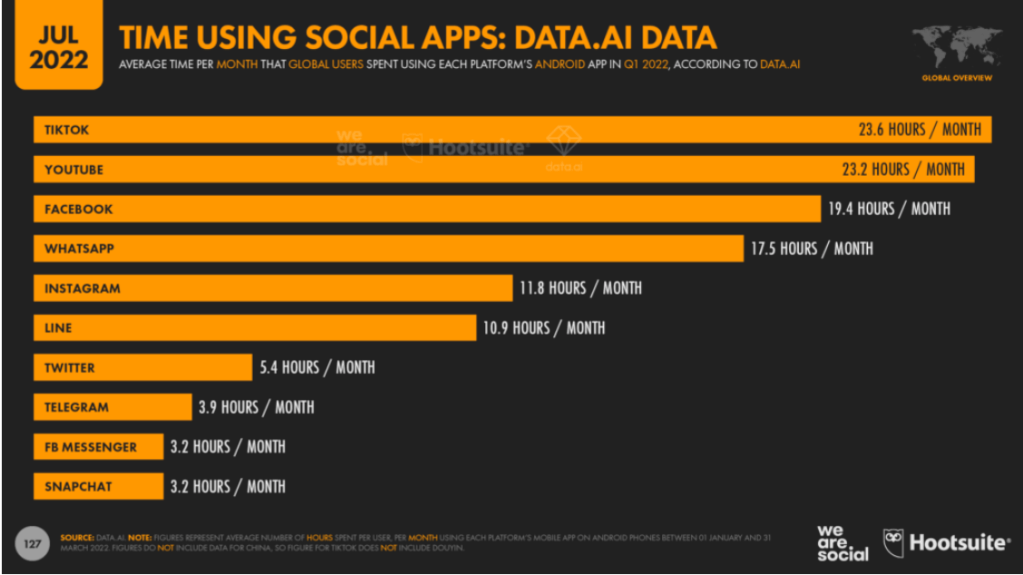
- Current and upcoming privacy changes from Apple and Google further reduce ad targeting efficacy, resulting in reduced ad margins (Source: https://www.forbes.com/sites/danielnewman/2022/02/10/apple-meta-and-the-ten-billion-dollar-impact-of-privacy-changes/?sh=170c00e872ae )
- No Meaningful Metaverse revenue and short-term prospects look grim. In fact, Reality labs unit has never turned a profit. (Source: https://www.roadtovr.com/meta-reality-labs-revenue-operating-cost-milestone-q3-2022/impact )
Long term Prospects
With Meta’s current stronghold on social media loosening, a new revenue stream form the Metaverse project is the only way out. This will be a more challenging business model for Meta since, the hardware would have to be created first, and then would need a wide user adoption, after which Meta would see high margins from the metaverse equivalent of the App Store.
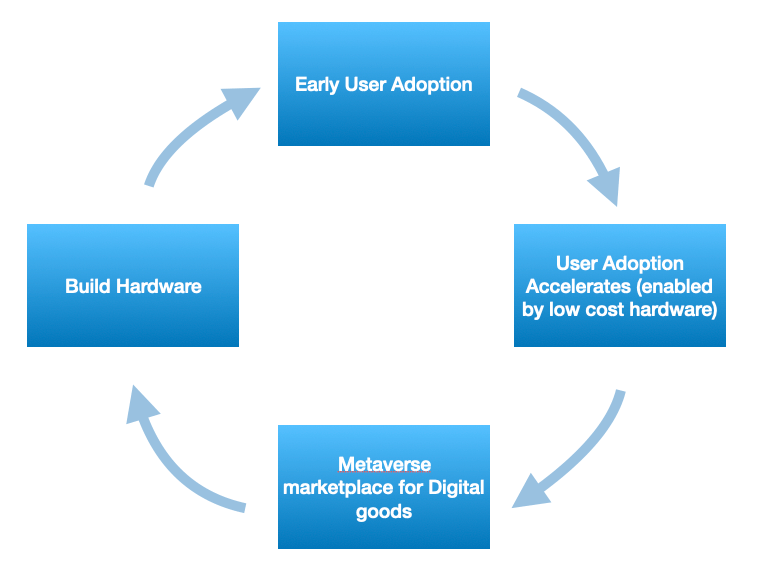
There is light at the end of the tunnel, Meta currently captures 90% of the VR headset market (source: https://www.insiderintelligence.com/content/meta-captures-90-of-vr-headset-market-share), meaning the Early user adoption phase may already be on the way, and new advanced headsets only expected to accelerate user adoption. Once there is critical mass, Meta could start enjoying the high margin coming in from the Ads and Apps sold in the metaverse.
 Adithi Pai

Leave a comment